Unmasking the Bellyboosters: The Unadulterated Truth About Fermented Foods
- Aug 11, 2026
Ever notice how myths and facts in the fitness industry often ferment in the same jar? Well, we're here to separate science from the snake oil, starting with a surprising home run: fermented foods. Yup, those sour, crusty, and often pungent treats could be the most loyal buddies your gut ever had. Here's the lowdown.
Research suggests that fermented foods are like an all-star line-up of microscopic cheerleaders for your gut microbiome – the community of microorganisms throwing a perpetual party in your digestive system. Who knew your gut was so sociable, eh?
Apple cider vinegar, or ACV as the Kale Tribe loves to call it, is seen as a game-changer in gutland for its health benefits. Made from party-loving fruit – the apple – its fermentation process churns out buckets of natural probiotics which may give a high-five to your gut health and immune system. Just a heads up, though: if you see 'pasteurized' on the label, bad news – it means that the beneficial bacteria have been given the boot for safety.
Swap the boring greens for something spicy with kimchi - the Asian grenade made from fermented cabbage that's packed with more varieties of probiotics than sauerkraut. Regularly chomping on this feisty fermented food might spice up not only your meals but also your gut health.
But hold on to your probiotic party hats because kefir is up next - a fermented dairy diva that’s like a red carpet for your gut flora, rich in probiotics and prebiotics that feed and modulate the bacteria in your gut's microbiome. Kefir is also the black sheep of the dairy family with lower lactose levels, making it friendly to your lactose-sensitive mates.
Then we have kombucha, the diva of fermented drinks! A blend of tea, yeast, bacteria, sugar, and an optional fruit cocktail, kombucha’s fermentation technique turns sugar into little doses of alcohol. Its probiotic and antioxidant properties may help restore gut balance, but keep in mind that they fluctuate so the exact benefits can vary between brands.
Eeny, meeny, miso! Another fabulous fermented friend comes from soybeans (the plant kingdom's Swiss Army knife.) Miso's probiotics can help with digestion, support your immune system function, regulate blood sugar, and potentially curb allergy risks. Pass the miso soup, anyone?
But let's not forget sauerkraut and tempeh in our ferment lovefest. Both are cabbage superstar teams loaded with probiotic players that rough it out through the fermentation process. Be wary though - the strength of their probiotic team varies depending on whether they've been pasteurized, and they may not be everyone's bowl of fermented delight, especially those with IBS. But, hey, no party is free from its share of party poopers right?
Certainly not our probiotic party! So, let's stir in some yogurt love - fermented by heating milk with friendly bacteria and making you say “Om” to the microbial balance in your gut. Studies also suggest that the probiotics found in yogurt may help reduce IBS symptoms, like bloating, diarrhea, or constipation.
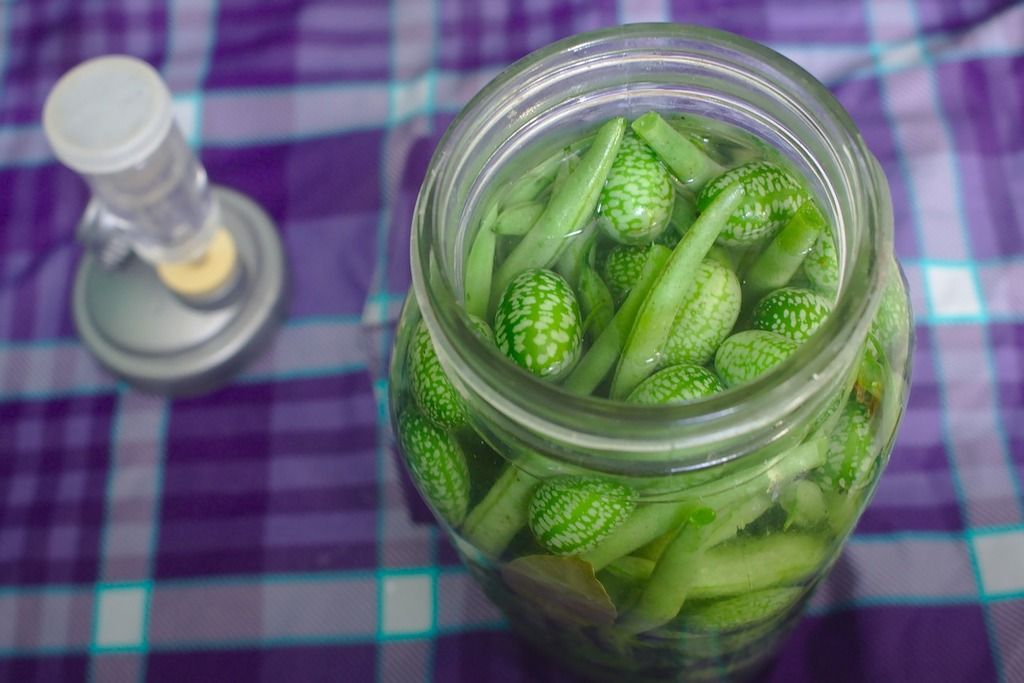
Our jar of delight is not complete without pickles. The zesty ones, fermented naturally, play the hero by boosting good gut bacteria, improving digestion and nutrient absorption. So next time you enjoy that juicy burger, let's hear it for the humble pickle for being more than just a tangy sidekick.
As with most things health-related, balance will keep you from tipping over the edge (and into the absurd). Fermented foods are definite gut goodies but remember: Not everything fermented ends up being a probiotic superhero, and every gut is unique, just like its owner. So find out what works best for you, and let the fermentation fiesta begin!