Nap or Die Trying: The Science of Short, Sharp Snoozes
- Oct 22, 2026
"I've got ten minutes, let's go nap," said no one ever. Until now. Recent research suggests the perfect power nap isn't some luxury spa-type hour of serene snoozing - it's that ten-minute intermission between Netflix episodes.
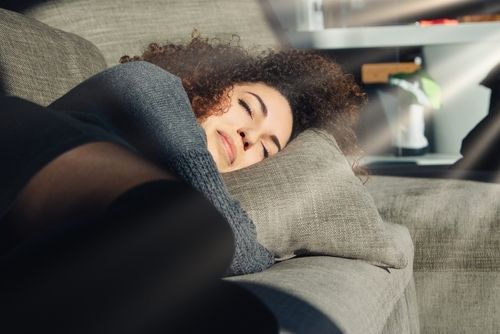
Science has been doing its thing again; you know, the messy experiments and complex language parts. Breakthrough findings suggest that a mere 10-minute nap significantly reduces fatigue, boosts mood, and improves cognitive performance. Too busy for a night-long sleep commitment? A brief, bold tryst with Hypnos could be just the remedy.
Clinical sleep specialist Yishan Xu is happy to prescribe these miniscule sleep snacks. "A 10-minute nap effectively improves sleep latency, reduces fatigue, and boosts cognitive performance," asserted Xu. But beware the siren call of the over-extended siesta. The same research indicates longer naps could sharpen the Grim Reaper’s scythe. Turns out sleeping your day away could be as harmful as it feels sinful. Napping for over an hour regularly? According to research, you're bussing tables at the Diabetes and Heart Problems Café.
Taking a long daytime nap according to Xu is like “eating a cake before dinner”: Rights to sweet dreams could become insomnia’s nightmare. As with all good things, consumption guidelines apply. Forget full-size cupcakes; think power pellets. A 2021 meta-analysis corroborated this in its conclusion that short naps are the secret spice attributing to a reduction in fatigue, increased productivity, and enhanced physical performance.
Interestingly enough, habitual daytime napping has a plausible link to possessing larger brain volumes – purportedly equivalent to preserving 2.6 to 6.5 years of aging. So, as stuntman Evel Knievel once advised, "You come to a point in your life when you really don't care what people think about you, you just care what you think about yourself." Just be mindful of managing your Nap-zilla correctly.
Xu recommends setting an alarm or recruiting a human one (preferably not your cat or your 6-year-old – we all know how that's going to end). The trick is to be physically active before and after these nap dates. And if you're feeling a smidge groggy after your snooze-olumnus, follow Xu's prescription: stand up promptly to vivify the body through movement or light exposure.
Remember, there's a clear divide between health-boosting nap-time and lethargy-inducing languor. In the immortal words of Xu, "When my patients complain about daytime fatigue, I suggest they walk around rather than sitting or laying down." You've been warned, folks: nap smart, or die trying.