The Migraine-TMJ Tangle: Understanding the Knot and Finding Relief
- Aug 19, 2026
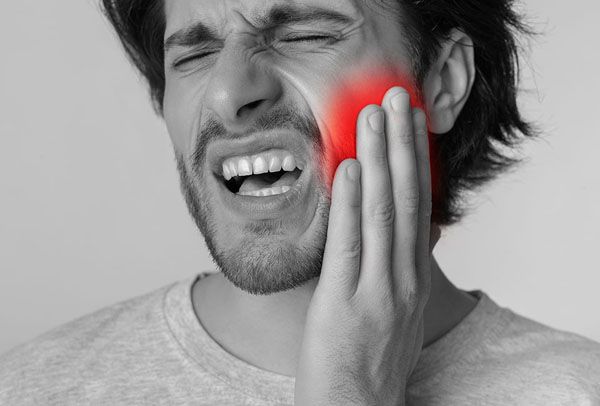
Temporomandibular joint disorders or TMJ disorders can be the unsuspected villain behind your recurrent migraines. Essentially, TMJ links your head to your jaw, acting like a hinge. Disorders affecting it can cause pain not just in your jaw and face, but also headaches or migraines.
People suffering from TMJ disorders might experience difficulties in eating or talking and may also feel a particular discomfort whether consistently or only on one side. The underlying cause of TMJ disorders remains a mystery. However, common culprits include stress and hormonal changes that incidentally also trigger migraines. With TMJ disorders and migraines often occurring simultaneously, it becomes clear why one could potentially set off the other.
Experiencing a TMJ migraine is different from your everyday migraine. It may feel like a painful journey, a pain moving from one point to another, aggravating with chewing or talking. TMJ related migraines extend its painful influence beyond your head, affecting your shoulders or ears. Interestingly, it's usually the temporalis muscles responsible for headaches associated with TMJ disorders - identifiable by a specific belt of tightness around the head.
Understanding that one’s pain could stem from a hidden TMJ disorder is only the first step. The complexity of these conditions often demands a series of professionals for diagnosis and treatment. Your journey to relief might lead you to a neurologist, dentist, an oral surgeon, chiropractor, or a physical therapist. And even - as anxiety and depression often accompany TMJ disorders - a psychiatrist or psychologist.
Alongside medical help, you can also turn to some home remedies. Practices mainly revolve around managing stress, which is a known trigger of both TMD and migraines, and changing daily habits that worsen your symptoms. You could also try over-the-counter pain reliefs, or, under medical guidance, even explore the analgesic potentials of essential oils like peppermint, frankincense, and lavender.
Therapeutic interventions such as Botox have FDA's approval for treating chronic migraines, but they're not specifically approved for TMD treatment. Surgical procedures exist but use these as a last resort as not only is there limited data supporting their effectiveness, but there's also a risk they could worsen the situation.
The whirlwind pain of TMJ disorders and migraines might seem inescapable, yet understanding the link between the two and seeking appropriate help can unravel this tangled knot and lead towards pain relief.