Iron-Clad Sleep: The Insomniacs Guide to Beating Anemia
- Aug 20, 2026
Iron: an essential mineral that's doing more heavy lifting in your body than you realize. In the glamorous world of health supplements, it might not hold the star power of vitamins like C or D, but make no mistake, when it comes to your sleep, iron is the unsung hero you need in your corner.
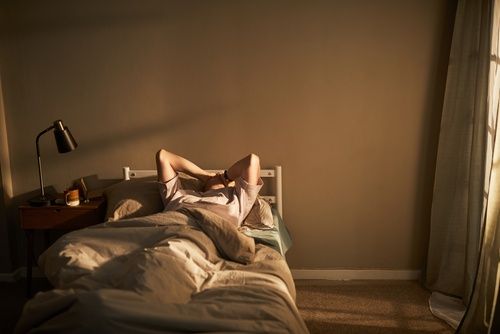
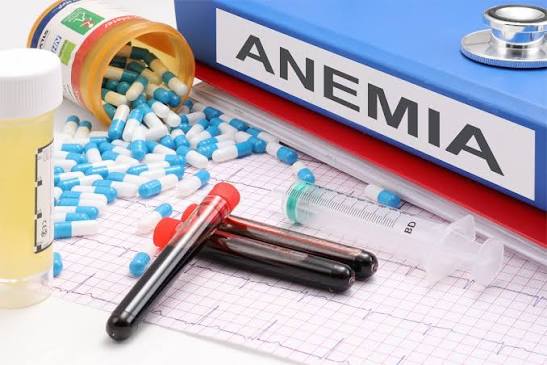
Health freaks and science geeks alike point to research underscoring a link between Iron Deficiency Anemia (IDA) and sleep disturbances like insomnia, night terrors, and sleepwalking. If you've been wrestling with an unshakeable weariness due to disturbed nights, it may be time to introduce an iron-rich diet into your life and kick the midnight monster under your bed to the curb.
But even if you're clocking in the recommended seven to nine hours of sleep, you may still end up feeling like you've been tackled by a linebacker come dawn. This exhaustion, often associated with anemia, can render you weak and cranky. A daily siesta of 20 to 30 minutes might become your new best buddy under such circumstances. Just make sure you don't overdo it – hitting the snooze button too often may leave you feeling more zonked out than before.
And surprisingly, IDA seems to have a hand to play in the deceitful drama of Restless Legs Syndrome, leading to involuntary leg movements that’ll make sleep as elusive as the Tooth Fairy. Stepping up your iron intake can help manage this bothersome syndrome, supporting your fight for restful nights.
Neglecting the root cause of your IDA, however, is as ineffective as fighting a hydra with a toothpick. Whether it's a medical condition, poor diet, or a need for therapeutic treatment, working with your healthcare provider to tackle it is crucial.
Anemia doesn't just rifle through your physical health – it steals away pieces of your mind too. With anxiety, depression, and other psychological symptoms lurking around, managing the mental fallout of IDA becomes as important as addressing physical exhaustion. Range of treatments include iron supplements and nutritional changes to therapeutic interventions, all to help you reclaim control over your mental landscape.
And never underestimate the power of a solid support system. Simple acts of kindness from loved ones in the form of meal prep or childcare can make managing IDA less daunting. Encourage open communication about your struggles and let them step in when the exhaustion proves overwhelming.
Finally, always stay vigilant about other strange guests IDA brings along, such as pica (a craving for non-food items), headaches, cold extremities, rapid heartbeat, and shortness of breath. Remember, eating chalk instead of cheesecake is not the kind of diet plan you want! For manageable symptoms, consider over-the-counter pain relievers, appropriate clothing, relaxation techniques, and dietary changes.
Now you know that iron is more than just a metal in your cutlery set-it's a necessary resource to brighten your mental outlook, fuel your energy levels, and finally win those quiet, restful nights. Remember, it's possible to sleep like a baby again – just make sure your iron's game is stronger than your midnight fridge-raid cravings.