Get Jabbed or Get Jacked: The No-BS Guide to Pneumonia Vaccines
- Aug 14, 2026
Imagine your lungs filling up with fluid, restricted breathing, fever and chills sending shivers down your spine, and that annoying cough bringing up phlegm -- all the joy of pneumonia. Don't worry, you won't be in pain forever, at least not with the right vaccine. But like any good fitness supplement, it's not a magical cure for every strain out there. So let's jab some sense into you about how pneumonia vaccines work, and why some of you will need it more than others.
Here's the lowdown: pneumonia's a classic party pooper, inflaming those crucial lung air sacs and causing a ruckus. It's usually transmitted by germs, but occasionally, it walks in backstage via aspirated food or drink, or even drug-resistant bacteria from that hospital revisit you promised yourself you wouldn't do. The most frequently seen case at the party? Bacterial pneumonia, the community-acquired pillar of wellness woes.
Now let's talk about this big-shot bacteria causing pneumonia-- Streptococcus pneumoniae. It's got over 90 variations playing in its band, but only 10 of them really steal the limelight with pneumonia complications. This bacteria can cause a pretty serious illness if it decides to take a bloodstream world tour. We're talking about a blood infection and inflammation of membranes surrounding the brain and spinal cord. Always fun, right? And the odds of dying from invasive pneumonia? About 13% to 21% - not exactly in your favor.
Fast-forward to 2021 and pneumonia offed over 40,000 people in the U.S., according to the Centers for Disease Control and Prevention (CDC). Meanwhile, 1.5 million folks paid a visit to the ER for the same issue. But hey, a 2022 study gives a hint of good news: a pneumonia vaccine can decrease your risk of death by 24%.
But let's be crystal clear: the four vaccines that can guard you against Streptococcus pneumoniae aren't a Dragon Ball Z energy shield against all pneumonia strains. They won't save you from Chlamydophila pneumoniae, Mycoplasma pneumoniae, or those led by fungi or viruses.
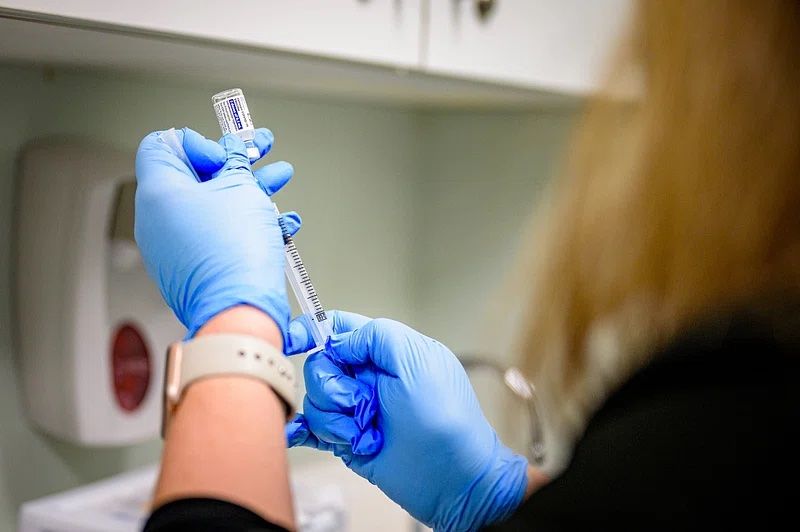
Now, onto the who's who of pneumonia vaccines: PCV13 (Prevnar 13), PCV15 (Vaxneuvance), PCV20 (Prevnar 20), and PPSV23 (Pneumovax23). These vaccines are like weight-gaining supplements to your immune system, strengthening your body against the most likely pneumonia culprits. Don't worry, none of these vaccines are a pseudo-science health juice made from live bacteria. They're made from parts of the bacterial shell, which the immune system recognizes as a threat and builds up a defense - pretty impressive, right?
But here's the catch, it's not a one-size-fits-all solution. Pneumonia vaccines are mainly for those at higher risk of a serious illness, like the over 65 club, and those with specific health conditions. It's not recommended for everyone between the ages of 18 and 49 who are healthy or have a known allergy to the vaccine's components.
As for the kids? Pneumonia immunization is part of their usual vaccination program, with specific recommendations for each type of vaccine. Aimed for maximum protection, these vaccines promise immunity for life if used correctly.
Now, for the part you probably scrolled to see - the side effects. They're usually mild and temporary, think of it as the morning after a heavy spin class. Occasional bouts of the first-week-on-Keto flu-like symptoms, or discomfort at the injection site are the most common. In the league of 'not-so-common effects', there might be diarrhea, vomiting, or a skin rash. However, if your symptoms are more '911', let's say hives, blisters, breathing difficultly, swelling, confusion, or seizures, get to your nearest ER stat.
So, there you have it, folks - the no-BS guide to pneumonia vaccines. Be informed, stay healthy, and remember, there's more to health than chugging kale smoothies.