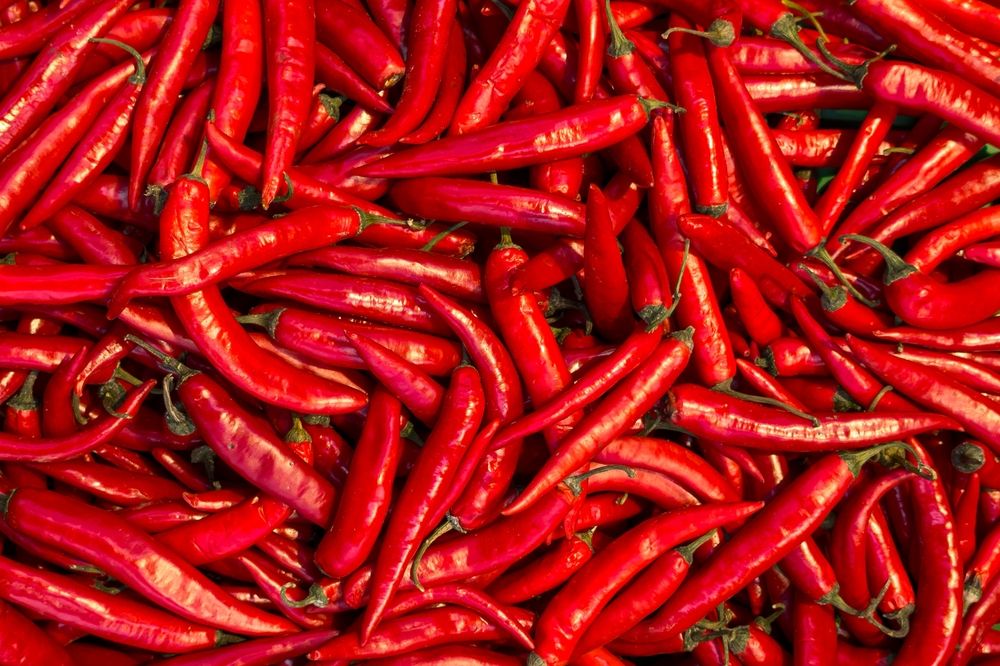
Spice Up Your Life - The Fiery Truth About Spicy Foods
- May 1, 2026
It's a familiar scene: you've indulged in your favorite spicy delight and now the rumbling commotion in your belly is a sure-fire sign that the dance-off between your gut and capsaicin has commenced. That's right, blame that hot menace behind your mouth-on-fire sensation – capsaicin, found in spicy foods like chili peppers. This potent irritant pulls no punches when it provokes a warm or burning sensation wherever it makes contact, be it skin, eyes, or the lining of your mouth.
Capsaicin stimulates pain receptors, called nociceptors, in your body. So, when you indulge your cravings for spicy foods, your digestive tract may perform an overly enthusiastic salsa dance under the influence of capsaicin. Depending on your body's tolerance and the amount you ingest, your gut's moves can manifest as rapid bowel movements or a case of race-to-the-loo diarrhea.
If the capsaicin-induced Cha-Cha-Cha in your gut is too swift for your liking, you might want to cut back on the chili peppers or avoid them altogether. Yet, if you choose to brave the fiery fiesta, there are home remedies that can help. Keeping hydrated is key, but steer clear from caffeinated fizzy drinks.
Although the spicy-foods-are-evil brigade will have you believe otherwise, spicy foods aren't on a mission to destroy your gut. The real culprits behind ulcers, for example, are H. pylori infection and anti-inflammatory drug usage. Besides, a bit of spice-induced diarrhea isn’t a health catastrophe and generally clears within a day or two; sticking to non-spicy foods for those couple days usually replenishes the peace.
Of course, if there's no sign of improvement and you start experiencing symptoms of dehydration like a dry mouth or reduced urination, it's time to seek medical assistance. Likewise, if symptoms persist, it's unlikely the capsaicin is the culprit and you may need a deeper look into your digestive matters.
Now, let's talk about the elephant in the room: our dear friend, chili pepper, and his contribution to some cancers. Granted, studies link high chili consumption with an increased risk of stomach, esophageal, and gallbladder cancers. However, moderate chili consumption, rather surprisingly, has not noted such risks.
Despite the love-hate relationship, spicy foods do bring more to the table than just a flaming sensation and an edgy taste profile. In moderate doses, capsaicin offers numerous benefits, including potential gut health perks.
So, here's the bottom line (pun intended): Spicy foods can cause a bit of a ruckus in your gut, but they're not out to get you. Like everything else on life's menu, moderation is key.