Ditch Your White Bread: Here's Why Whole Grains Rule
- Apr 14, 2026
If there is one thing you need to know about bread, it's this – not all bread is created equal, especially when your cardiovascular health is on the line. So, it's time to ditch your white bread and saddle up on the whole grain wagon, folks!
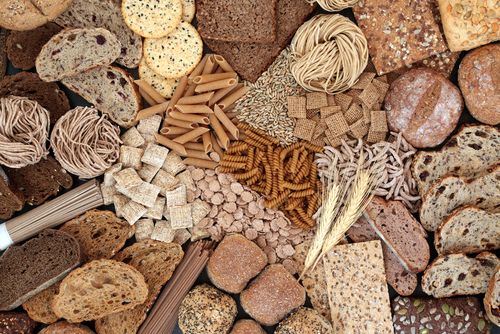
Whole grain or sprouted grain breads are no ordinary loaves. They come power-packed with fiber, magnesium, potassium, and a myriad of beneficial plant-based compounds. When you're looking for blood pressure regulation, improved blood vessel function, and stabilized blood sugar levels, these breads know how to deliver.
Now let's get down to the nitty-gritty. A hunk of whole-grain bread not only tops every heart-healthy list but also kicks the butt of the common blood pressure troubles. What makes it a heart champion? It's high in dietary fiber, low in sodium and added sugars, and crafted from whole grains rather than refined flours. Plus, its magnesium and potassium content helps to relax blood vessels and keep your electrolyte balance in check. But beware of the fakes! Always look for “100% whole grain” or “100% whole wheat” labels and aim for at least 3 to 5 grams of fiber per slice.
Riding high on the nutrient absorption wavelength is sprouted bread. Packed with magnesium, potassium, and soluble fiber, it helps balance electrolytes, improve blood vessel function, and keep your heart ticking to a healthy beat.
Whole-grain rye bread comes next with its robust, hearty flavor and impressive nutrition profile, offering dietary fiber, and micronutrients like magnesium and potassium for blood pressure management. Also, let's not miss the power of rye in reducing vascular stress and supporting heart health.
Multigrain bread may seem healthy but remember - not all multigrain breads are heart-friendly. While buying multigrain bread, ensure that the label lists “whole” before each grain (like whole barley, whole oats, and whole millet), coupled with at least 3 grams of fiber per slice.
And the showstopper – sourdough bread. Its natural fermentation process filled with wild yeast and lactic acid bacteria makes it a heart-friendly choice. But be cautious about its sodium content, and always opt for whole-grain sourdough for the maximum nutritional punch.