The Deliciously Dark Side of Elderberries: Friend or Foe
- Apr 24, 2026
If elderberries had a social media account, they'd virtually scream "complicated relationship". Loaded with antioxidants, these dark beauties are lauded for their potential in reducing common cold and flu symptoms and giving your immune system a boost. But before you succumb to the elderberry elixir, let's dig into their shadowy side.
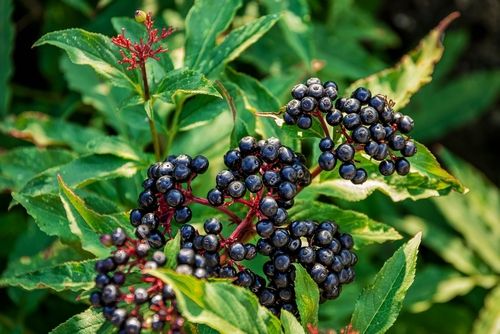
These tart treats, often sweetened due to their cranberry-like taste, harbor multiple anthocyanins and polyphenols, their superpower ingredients. Despite its superhero reputation and varied aliases (from 'Black elder' to 'Sambucus'), elderberries' effectiveness as a health booster has limited research backing. Before jumping on the berry bandwagon with a daily dose of 2 to 4 tablespoons, it's best to have a chat with your healthcare provider first. Pregnant enthusiasts and autoimmune disease holders, we're looking at you.
Traditionally, grandma's home remedy for the flu came in the form of elderberry juice syrup. While some studies indicate it could reduce illness duration and severity, the mixed nature of results suggests that the jury's still out. And, let's not forget about those sneaky supplement manufacturers funding trials which may have biased results – keep an eye out.
Hold the phone – did you hear elderberries can prevent colds and flu? Well, tone down the sauna of excitement, we don't have substantial evidence to confirm that. But the rumor mill doesn't stop there. Claims to cure high cholesterol, inflammation, and act as a pain reliever have circled around elderberries, yet the evidence remains insufficient. Remember, they're a supplement, not the silver bullet.
Now, before you bury your elderberry dreams, let's be clear. Cooked elderberries, in moderation, are considered safe. It's when you adventure into uncooked territory that things get hairy. These raw, not-so-edible gems can release cyanide into your body if they're not ripe, uncooked, or processed incorrectly. Pro-tip: always cook the berries.
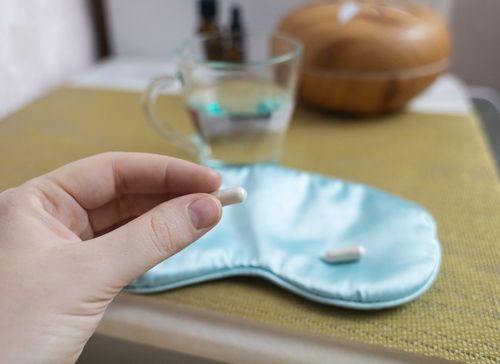
Dosages vary since there's no standard recommendation. Though, in some trials, adults have taken elderberry extract in syrup form four times daily for five days. When in doubt, consult with your healthcare provider.
Remember to always store elderberry products in a cool, dry place, out of reach from children and pets – safety first. And always look for independently tested supplements to ensure the product matches its label. After all, in the big world of dietary supplements, not everything is as it appears.