Unpeel the Truth: Why Not Eating the Skin of Your Fruits and Veggies May Be a Nutritional Miss
- Aug 15, 2026
Here's a cheesy opener to get things rolling - Knock, knock. Who's there? Kiwi. Kiwi who? Kiwi you believe you've been throwing away nutrient-packed skins of fruits and veggies all your life?
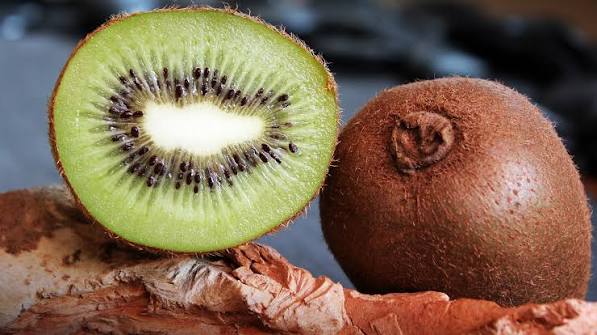
"I love eating the whole kiwi fruit, including the fuzzy skin, as it doubles down on fiber and guarantees extras of essential nutrients like vitamin E, C, and polyphenols,” states Michelle Routhenstein, RD, a preventive cardiology dietitian. Care to challenge this claim? Well, a 2020 study seconds her, observing that munching on the kiwi skin appears to cause a drop in inflammation and deliver beneficial effects on gut health.
Next up, tomato skins, these blushing beauties are replete with the antioxidant lycopene. They amp up collagen and shield against sun damage, promising a more smooth and youthful look," Wan Na Chun, RD, owner of One Pot Wellness, professes. Fun fact: tomato skins are home to more lycopene than the pulp. Additionally, they are a treasure trove of micronutrients like zinc, manganese, and copper.
Moving on to citruses, their zest can add a punch of flavor to your dishes, along with a nice nutritional bonus. They're not only a fiber hotspot but also overflowing with vitamin C and various bioflavonoids, which boast anti-inflammatory and immune-boosting properties.
On the topic of powerhouses, potato skins stand tall with higher deposits of Vitamin C, potassium, folate, magnesium, phosphorus. They also give you a fiber bonus, aiding your gut health and satiety.
For those with a sweet tooth, apple peels are your best bet. They're power-packed with vitamins, minerals, notable mentions being vitamin C and potassium, crucial for overall health. Don't forget the ample fiber and antioxidants they bring to the party that enable better digestion and heart health.
It's not just about fruits; veggies like carrot skins shouldn't get a miss. Rich in fiber, antioxidants like beta-carotene, they are crucial for maintaining healthy vision, skin, and immunity. What's more? They may help guard your cells from damage, potentially minimizing the risk of chronic disease and even cancer.
Lastly, don't overlook the watermelon rind. It may not be as sweet as the flesh, but it makes for a satisfying crunchy and nutritious bite. Blend it into your smoothies, pickle it, add it to a stir-fry or chop it up and toss into your salads. Just ensure to wash thoroughly before eating to remove any surface pesticides or impurities.