Pour the Powder or Pass It Over: The Unadulterated Truth About Protein Supplements
- Jul 13, 2026
Put down your shaker and listen up! You've seen the bulky gym hulks downing it, social media influencers promoting it, and health gurus swearing by it. Yes, my friend, we're delving into the mad, mad world of protein powder.
True, protein supplements can be a game-changer for specific goals – building muscle, losing weight, and tackling annoying age-related muscle loss. But before you start guzzling down protein shakes like it's happy hour, it's time for a reality check – whole foods kick protein powders back to the locker room when it comes to the best protein sources.
Specific goals demand specific actions. Aiming for a Greek god-like physique? Partner your protein powder with weight lifting or resistance training, but remember – just because it comes from a powder, it doesn't mean it's magic dust. Weight management on your mind? Protein powders might help curb that insatiable appetite of yours. Some research hints at this, but there's another research-backed alternative – protein-heavy snacks (yogurt, anyone?).
Let's not pitch protein powders as meal replacements though, it's never proteins and chill. They're useful as compliments to a healthy, whole-food diet that occasionally needs a backup plan for the protein department.
If you've crossed the big 30, it's not just the mid-life crisis you need to be aware of, but also sarcopenia, the annoying loss of muscle that comes with age. You can combat it through a combination of protein powders and twice-a-week strength training workouts, but remember – you're not on a quest to look like the Hulk.
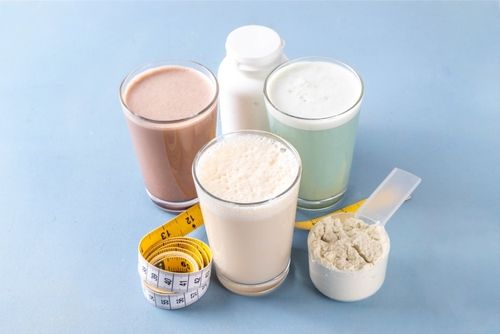
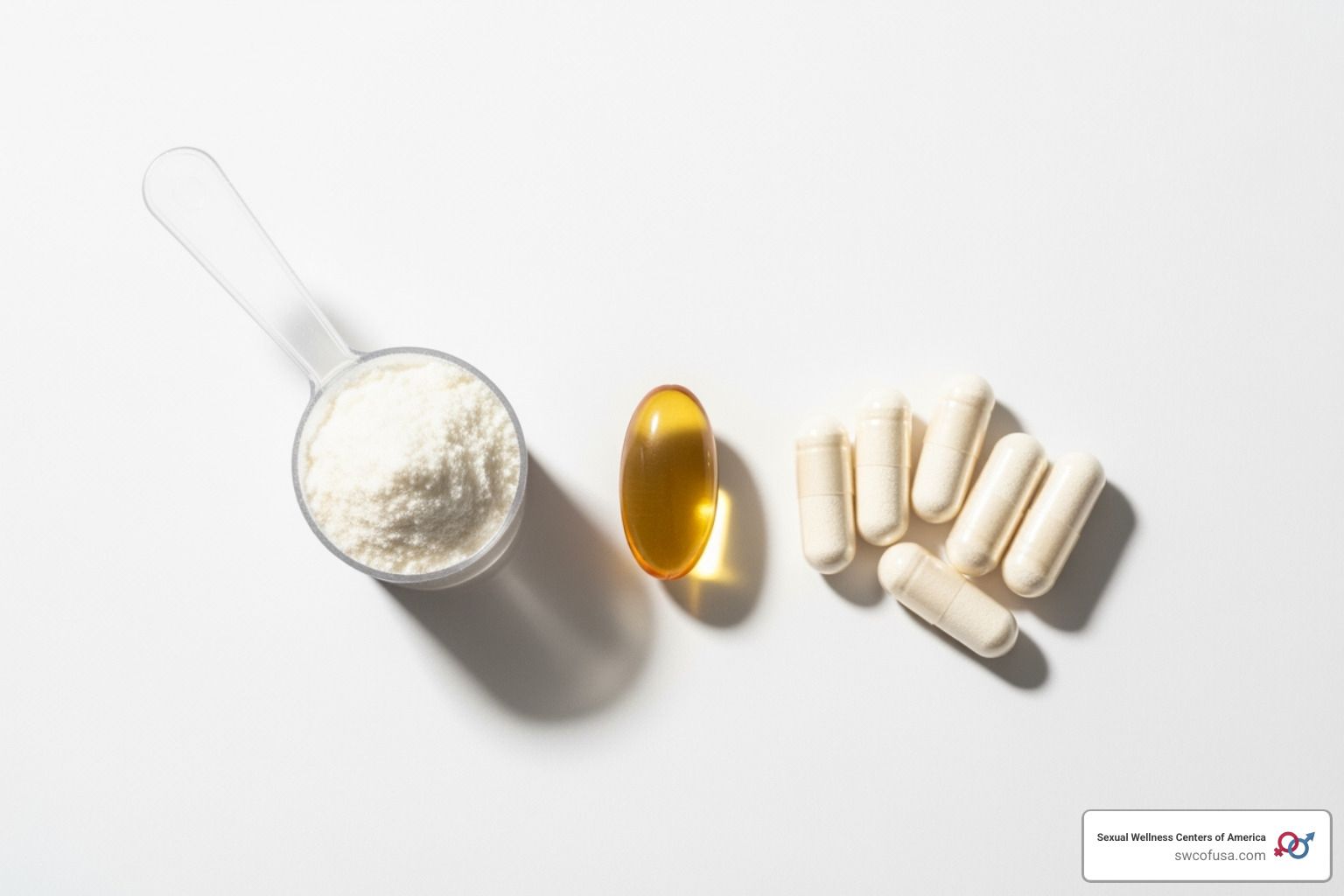
Now, protein powders are not all sunshine and rainbows. If we lived in a perfect world, we'd get all the protein we need from real food. But we don't, so protein powder supplements sometimes fill in the gaps. They're an add-water-and-stir deal, blending easily into smoothies, shakes, and even your beloved pancake batter. Yet, they shouldn't exceed your daily protein requirements – consistency is king, not quantity.
Tooting the protein powder horn too much might cause digestive problems and could turn your kidneys into not-so-happy campers. Hence, we recommend skepticism when buying protein powders – scrutinize the contents, consider any dietary restrictions you have, and check for sneaky sugar.
In the end, it's down to balance – protein supplements are handy helpmates, not Hercules. Striking the right note between getting your recommended daily protein from whole foods and occasional supplementation is the healthiest route to take. And remember – there's no such thing as a quick fix or miracle in a powder.