Embrace the Chill: Nutrient Deficiencies That Leave You Cold
- Jul 8, 2026
Ever wondered why you're the only one reaching for a sweater while sitting under an air-conditioner – in the middle of summer? No, you're not becoming an icicle. But your body might be blaring the siren of a vitamin or mineral deficiency, particularly Vitamin B12, iron, or folate. Let’s dig into the frosty details.
Imagine your body's heating system to be something like that old radiator in your grandma's house. The radiator needs fuel, consistency, and maintenance. Your body works similarly, and vitamins are a crucial part of that upkeep. A deficiency in vitamin B12, for instance, can lead to fewer but larger-than-normal red blood cells, creating a parliamentary session of chills in your body.
Not getting enough B12 from dietary sources like dairy, meat, fish, or fortified foods? Well, pass the B12 supplement, please. But remember, absorption isn't everyone's cup of tea. So, strict vegetarians, vegans, people with stomach surgery, or certain medication users might, quite literally, feel the cold shoulder.
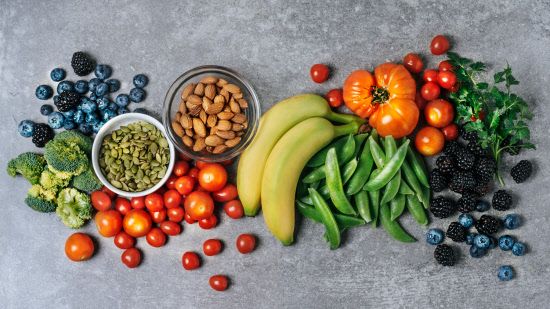
On the other hand, Folate or vitamin B9, when missing from your dietary meeting, can give you touchy-feeley with the cold too. Dark leafy green veggies, peanuts, beans, fruit, whole grains, sunflower seeds, fish, and liver are match-makers for your body and folate.
But what about vitamin D? Despite its superhero status in the health world, vitamin D deficiency doesn't react with your body's thermostat. Instead, problems would arise within your muscles and bones, while your body’s temperature chills on the sideline.
Another not-so-fine addition to feeling like you're in an eternal Antarctica is iron deficiency. With a lack of iron in the system, your red blood cells turn frail, making you feel like you're walking in a winter wonderland, even when you're not.
If you're pounding down vitamin C with hopes of aiding iron absorption, let's just say your faith might be misplaced. Yes, the notion of vitamin C as the Robin to Iron’s Batman is widespread, but the actual impact is minimal, at best, when treating iron deficiency.
Remember, deficiency is just territory in the vast landscape of health. Factors like hypothyroidism, due to an iodine deficiency or other causes, could be responsible for your cold sensitivity. So, folks, the takeaway is this- Don’t go all Sherlock Holmes and start a supplement espionage on your own. Seek professional help, get an official diagnosis, and then proceed to the right treatment to address the issue at its root.
Feeling unusually cold isn't an excuse to slip into your favorite sweater collection all the time. Listen to what your body's trying to tell you. After all, nobody likes a surprise visit from the Land of Ever Winter. Stay warm, friends!