Say Goodbye to the Snooze Button: The Menace of Excessive Daytime Sleepiness
- May 11, 2026
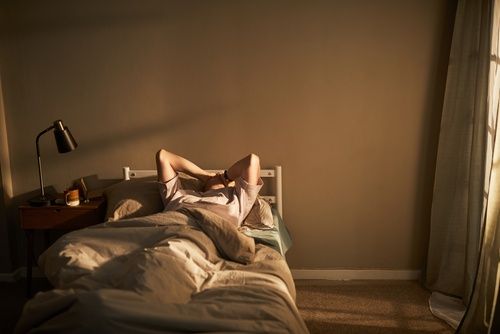
Beware, night owls and Debbie Downers - you're at risk of becoming best friends with unworthy adversary: Excessive Daytime Sleepiness (EDS). Smacking right through your daily routine despite a supposedly good night's zzz, EDS affects up to 20% of you folks out there. Thus, the most common cause for EDS ain't rocket science - it's simply not scoring enough gold stars in the Sleep Olympics.
But the plot thickens: medical plotters conspiring behind your EDS could be numerous - from sleep disorders to that pill you popped last night. Hypersomnia, for instance, is a sleep disorder in which faulty wire connections of the brain or nervous system have a haywire party leading to constant sleepy vibes. And if your brooding thigh muscles won't cut you some slack at night or if your sleep-wake body clock's gone bonkers, kiss good sleep goodbye and say hello to EDS.
Feeling blue can also make you fatigue hue. Up to two-thirds of adults with major depressive disorder have been caught red-handed playing tag with EDS. It's also the third wheel in relationships with bipolar and seasonal affective disorders. And if that's not enough, some OTC and prescription drugs are infamous for being daytime sleepiness pushers.
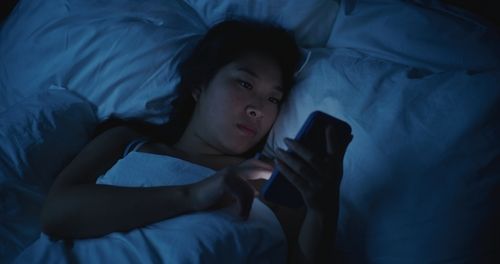
The unruly gang of EDS also has sleep deprived workaholics and insomnia-afflicted social-media junkies. It's time to start dealing with your sleep debt before sleep bell tolls. An adult needs seven or more hours of sleep per night. Teenagers, listen up. You need eight to ten hours of dreamland visits per night.
Treatment for EDS is like a custom made cocktail - it varies according to its primary or secondary cause. The prime suspect should be identified and treated first. Behavioral remedies like naps, moving those lazy bones more often, and adopting golden sleep hygiene rules are usually recommended.
Sometimes, they might even pump you up with wakefulness-promoting meds. For those grappling with obstructive sleep apnea, a CPAP machine could be your new best friend. EDS isn't just your typical energy drainer. It maniacally increases the risk of workplace and traffic accidents, could portray your journey into sleep deprivation lane in 4K clarity, and could fiddle with your moods, performances, and personal relationships.
With EDS, your daytime naps become mandatory, even with adequate nighttime siestas. Some symptoms common between EDS and chronic fatigue syndrome include fatigue after exertion. Approximately 20% of those with EDS disorders also tick off criteria for chronic fatigue syndrome.
A diagnosis for EDS is not unlike an interrogation, starting with a physical check-up, a deep dive into your sleep patterns and habits, and assessing any meds that you are on. It could involve maintaining a sleep log, facing medical questionnaires, or visiting a sleep specialist.
Like any battle-cry, your fight against EDS begins with a stellar defense – good sleep hygiene and healthy sleep habits. If EDS straight-up ambushes your daily life or you somehow doze off throughout the day, it's time you raised the alarm and reached out to a healthcare provider.