Late Night Munchies: A Digestive Disaster
- May 8, 2026
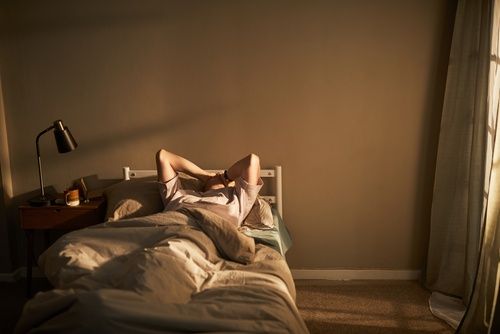
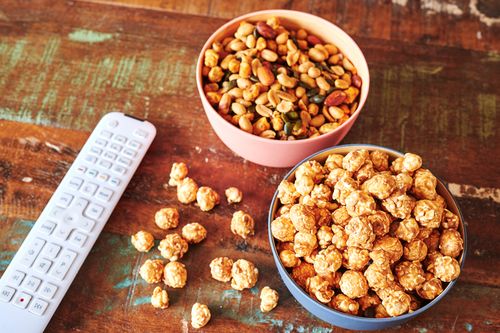
Picture this. It's late at night, your fridge is bursting with leftovers, and your stomach is staging a hunger strike. It's a familiar scenario to many of us, but most people aren't aware of what a late-night feast can do to our insides.
Downing your dinner just before hitting the sack can play We Wish You A Merry Christmas with your digestive system-triggering the gut equivalent of a rowdy boxing match. And let's be honest, feeling bloated and reflux-y at 2 AM ain't precisely an Instagram-worthy experience.
For those blessed souls prone to acid reflux or GERD, eating a late-night feast just before going horizontal isn’t the smartest decision. Why? Blame it on gravity, folks. The upright position we maintain throughout the day helps keep stomach acid at bay, but reclining can invite it on a thrill ride up into your esophagus. Basically, you're setting yourself up for a meet-n-greet with Acidity Incorporated, followed by, of course, the world-famous Bloating Band.
Your digestive system’s like your uncle after Thanksgiving dinner – it slows down in the evening. Late-night chow interferes with the digestion process, forcing your body to digest while it craves rest. Digestion not only raises your internal temp (throwing a wrench in your body's attempts to relax and prepare for sleep), but it also gives you a front-row seat to a Bloating and Indigestion show.
And let's not forget the sugar rollercoaster you'll leap onto if you eat late. After downing your moonlight munchies, your body goes full-on Wonka and begins to break down food into glucose (sugar) for energy. While that post-meal sugar spike is natural, frequent spikes (which may happen more often with late-night snacking) are no good for your blood sugar balance. Especially risky for people with diabetes, these routine sugar carnival rides could trigger spikes and drops in blood sugar levels and, in extreme cases, cause a condition called gastroparesis.
So, the bottom line? It's not just about the what and how much when it comes to eating; the when also matters. Late-night chow sessions, especially becoming a nightly habit, could mean those calories are more likely to be stored as fat than burned off. Plus, late dining could mess with your hunger cues, making you a regular at the Hungry Even After Eating club. Over time, this could be your VIP pass to Weigh Gain City.
But hey, it's not Gloomsville all the way. If you're a night owl who can't resist the siren call of the fridge, some tactics might help. For instance, avoid eating within 2-3 hours of bedtime, be mindful of your meal and snack timings, and check with your healthcare provider about the best practices for you, especially if you have underlying conditions like diabetes.
And remember, with late-night snacking-as with all health advice-your mileage may vary. So, take the advice, but don’t check your sense of humor at the door. We're all just trying to navigate this wild ride called 'healthy living.'