Kill Gout Before It Kills Your Spirit
- Oct 9, 2026
So, your big toe hurts like you've misplaced a sledgehammer on it, and your doctor threw around words such as "chronic," "arthritis," and "uric acid" - sounds like gout’s having a party at your place.
Speedy and cruel, gout crashes into your joints uninvited, causes tantrums lively enough to wake you from sleep, and leaves only when it's good and ready. Celebrations are often triggered by the scrumptious shrimp cocktail, well-marinated steak, or your weekly sugar-bomb soda treat.
When gout's done partying, it leaves behind uric acid crystals like some twisted party favor, inflicting suffering mainly on the big toe, but with cameo appearances at the ankle and knee joints.
Gout has this uncanny knack for making a comeback even after recovery-like an ex from hell. But fear not, its frequency and symptoms can be managed with medication and some sensible lifestyle modifications.
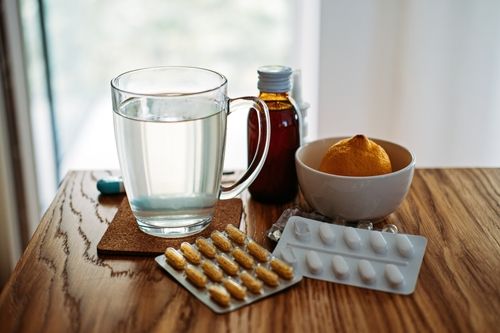
So, how does one tame this beast? Medication is the first line of defense. Colcrys (colchicine) could be your pal. It helps treat acute gout situations and dampen future excitement. The dosage will depend on factors like your kidney, liver function, and unfair allergy politics. Timely consumption as directed by your healthcare provider could lead to the damn-fast resolution of your symptoms.
Over-the-counter familiar faces, NSAIDs like Advil (ibuprofen) or Aleve (naproxen), are also widely used in the gout battleground. However, hold that phone before you self-medicate and consult your healthcare provider about the correct dosages and potential side effects.
Life-saving steroids such as prednisone and prednisolone may give you some well-deserved relief from gout. They are comparably effective to NSAIDs and colchicine but are taken orally once or twice a day.
When frequent gout flares are becoming the new normal, NSAIDs and colchicine can serve as a better alternative to avoid steroid-related side-effects like mood swings, insomnia, and decreased bone mineral density. Steroids can also be injected into the offender joint for quick relief.
Enter, Kineret (anakinra), an IL-1 receptor antagonist drug that blocks inflammation promotion. A 100- or 200-milligram shot a day for five days can reduce gout’s tantrums to a minimum.
When all the above choices fall short, an off-label usage of Kineret could be considered under the supervision of your healthcare provider.
Apart from medication, a few lifestyle changes can help you keep gout at bay. A gout-friendly diet, like an estranged lover, knows the art of coming and going. There are certain foods and drinks that you need to put a barricade against and some that you need to welcome with open arms. Drinking plenty of water and shedding excess weight are two such good practices.
Eating healthily and working out will not only help you lose weight but will also keep your uric acid levels in check. After all, laughter is not the only best medicine - sometimes it's just kale.
At the end of the day, gout flare-ups will frequent your doorstep depending upon your lifestyle. But if you come across more than two gout assaults a year or other exciting conditions featuring renal adventures, your doctor might recommend a daily dose of Aloprim (allopurinol) or Uloric (febuxostat) for uric acid regulation.
And remember, gout is not a one-size-fits-all nemesis. Dealing with it is a marathon, not a sprint. It can mimic other conditions, and it is crucial to consult your healthcare advisor for the correct diagnosis and treatment.