The Mysterious Workings of Your Hamstrings and How to Keep Them Healthy
- Aug 21, 2026
Good old hamstring muscles - party at the back, power in your stride and your best running buddies. However, they have this tendency to throw tantrums, leading to pain and swelling especially if you're an athlete. Next time you're running a marathon or lifting heavy in the gym, remember they're there at the back of your thigh stretching from the pelvis to the lower leg, silently doing the crucial grunt work for your standing, walking, running, jumping, and more.
A hamstring strain essentially means your hamstrings are having a 'bad day at work'. It is a pull or tear of muscle fibers usually due to the old age maxim 'too much of anything is bad'. This strain can affect the tissue in the muscle belly or the junction where the muscle meets with the tendons.
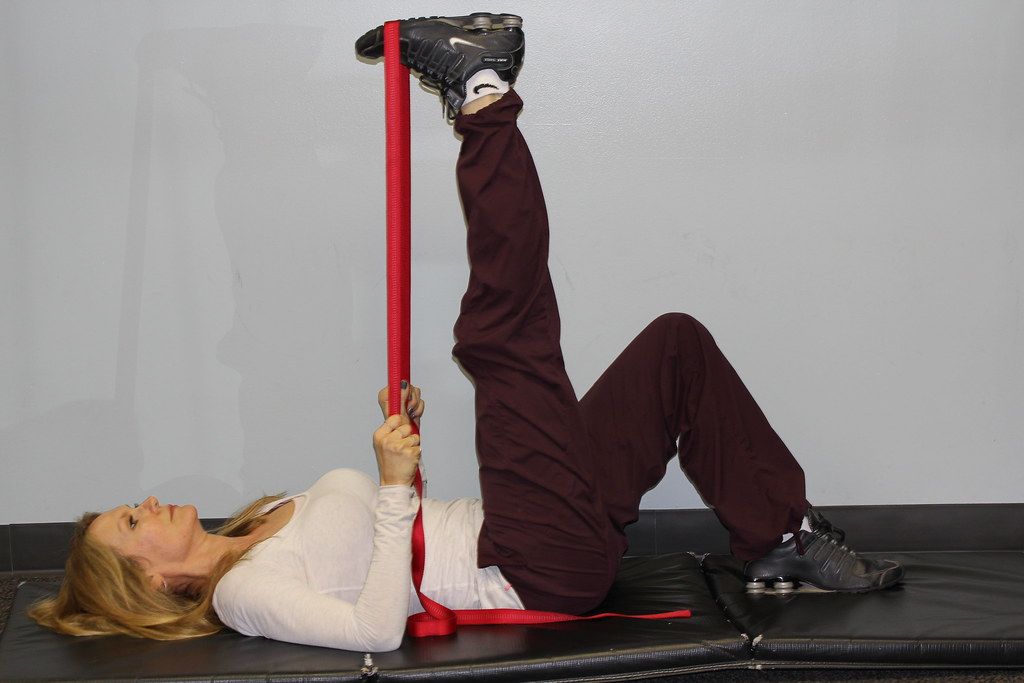
It's safe to say that you don't want a hamstring strain, so here are some tips and tricks to keep the rain off your hamstring parade. Brace yourself: these tips require a commitment as solid as your Tinder bio's claim of being a "gym addict". Starting with the basics, regular stretching and strengthening exercises are the equivalent of good care for your hamstrings.
First off, respect the severity spectrum of hamstring strains. Grade 1 to 3 is no different from your high school grades - 1 is a warning sign, 2 is a loud shout, and 3? You're walking on thin ice! For grade 1, you can still prance about, but with a grade 3, you would be lucky to use your leg at all.
Groaning with a strained hamstring? Here's how to get back on your feet. First 48 hours, use top grade muscle injury management. Continued recovery might need a stint with a physical therapy program. And if surgery is required, well, that’s your extreme adventure ticket punched right there.
Ready to run a marathon? Brace yourselves and avoid sprinting or explosive exercises during the recovery period. It could take up to 2 months for grade 1 and grade 2 strains to heal and if you had to go under the knife, spice up your Netflix - it's a 6-month-at-home gala.
To keep your hamstrings hale and hearty, you should consistently exercise yearly (we're talking a mashup of stretching, strengthening, and cardio). And wait, there’s more! Beware of the situations that can spell danger for your beloved hamstring such as glyceamic-carb-fuelled intensity activities. Extra precaution is highly recommended for basketball players, dancers, footballers, runners or sprinters, and soccer players.
To tackle any thigh discomfort, always give your hamstring time to rest. Daily activities like walking, running, climbing stairs, and strengthening exercises that target the hamstrings can boost their vigor. Incorporating hamstring stretches into your routine can further fortify these muscles.
Remember, your hamstring muscles aren't just important for your mobility - they can influence other parts of your body, too. They have strong ties with your back, for instance, and can contribute to conditions like flatback syndrome, spinal disc injury, or sacroiliac joint dysfunction (that fun double whammy at the base of your spine).
So next time you feel annoyed by your hamstring’s occasional huffs and puffs, remember to give it good care. Like a zesty salsa partner who propels you forward with sass and gusto, a well cared for hamstring is your ticket to an active, balanced and agile life.