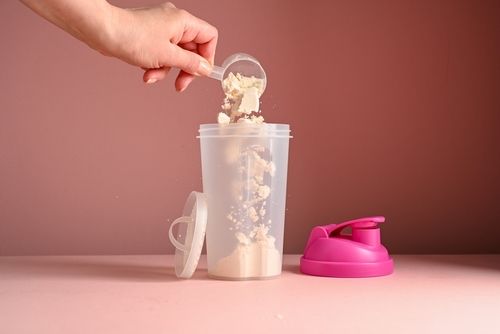
Shaking Up Your Diet: The Real Impact of Replacing Meals with Protein Shakes
- Feb 25, 2026
Sure, protein shakes are in every fitness enthusiast's hand and plastered all over Instagram's wellness feeds, but should you be swapping your chicken and broccoli stir-fry for a liquid dinner? Let's break this down without the health industry jargon and BS.
Most protein shakes available on supermarket shelves deliver you a solid chunk, around 20 to 30 grams, of protein in each convenient guzzle. This might be more than your typical meals. A 3.5-ounce cooked chicken breast gives off about 31 grams of protein, while a cup of cooked fusilli pasta embarrassingly offers only 6. But newsflash, you don't need shakes to meet your protein needs. Varying your protein sources throughout your meals can do just as much good, if not better.
There's no denying; protein shakes are an effortless way to chug down some protein - awesome for muscle building and preservation, especially if you've been pumping some iron. But let's keep it real. That shake you're gulping down might be protein-rich, but you're potentially missing out on a full house of essential vitamins, minerals, and nutrients, like fiber, usually found in wholesome, balanced meals.
Can replacing meals with a protein shake affect your calorie intake? Sure. Depending on how calorie-packed your protein shake is in comparison to your meal, you may end up consuming more, less, or the same amount of calories. If your protein shake serves lesser calories than your usual meal, and more importantly, if you're not making it up elsewhere, your daily calorie count could drop leading to potential weight loss. And studies do backup that narrative. Meal replacement shakes have been found to lead to lesser overall energy intake and more weight loss than food-based diets.
Whether protein shakes used as meal preloads or snacks make you eat lesser or more in your next meal is still a topic hotly debated in the realm of health and fitness. Existing findings are a mixed bag. Some point towards eating less at subsequent meals while others show an increase in total energy intake.
Let's delve into your hunger and fullness, or satiety as the health gurus love to call it. Solid foods are simply better at curbing hunger and making you feel satisfied compared to liquids. Remember, feeling fuller can help you avoid the dreaded snacking pitfall. However, note that the jury is still out on whether slipping a meal for a shake affects your overall intake later in the day.
Needless to say, one size does not fit all. Deciding whether a protein shake can substitute a meal entirely depends on what works for you individually. But let's throw out a spoiler here. For most people, protein shakes may be better off playing a side role as a supplement, rather than the lead actor replacing whole meals.