The Honest Truth About Blood Sugar and Your Beloved Bagels
- Dec 5, 2025
The humble bagel, a morning mainstay, can wreak havoc on your blood sugar levels if consumed in its pure, unaltered form. Thanks to rapidly absorbable carbs that jet into your bloodstream, these tasty morning morsels can send your glucose on a wild roller coaster ride.
In their original state, bagels contain refined flour, which has been stripped of its fiber content that usually helps to temper your digestion. This smooth digestion journey isn't reflected in your blood sugar when indulging in a fresh, warm bagel. Here's what happens to your blood sugar when you treat yourself to one of these circular carb bombs:
How much you feel the bagel's glucose-spiking impact depends on a few things, like your health status and how active you are. You're more likely to minimize the blood sugar rollercoaster if you exercise regularly, but folks who are insulin-resistant, diabetic, or have excess body fat may experience more intense glucose fluctuations.
Ever heard of the glycemic index (GI)? It's a scale that measures how fast different food increase your blood sugar. The higher the number, the quicker the food gets your blood glucose racing. And guess what? Bagels rank pretty high on that scale, thanks to their carb content and relatively low fat and protein levels.
Now, when you indulge in a medium-sized bagel (around 3.5 to 4 inches across), you're gobbling up four calories for each gram of carbs you consume. That's over 220 calories from carbs alone in that delicious bagel.
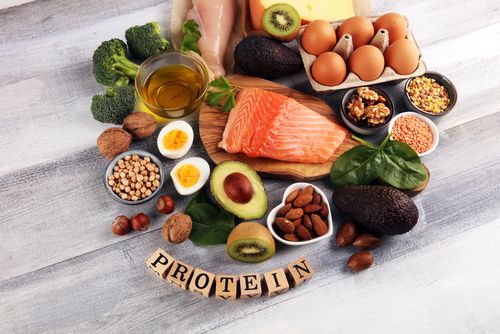
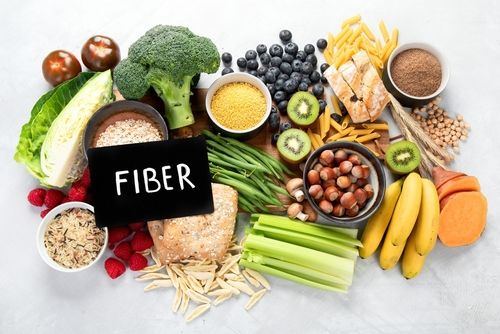
Fear not, bagel lovers, all hope isn't lost. You don't have to kick the bread rings to the curb completely. Experts suggest pairing your bagel with a source of fat, fiber, and protein to lessen its glucose-spiking superpowers. Ponder over how these different spreads could potentially tame your bagel's effects on your blood sugar.
Importantly, if you can't resist the lure of a bagel, you can still take action to curb its impact on your blood sugar. Health-wise, it's all about wise food choices and understanding your body's response to different foods.