The Brutal Truth About Going Low-Carb for Your Heart
- Feb 3, 2026
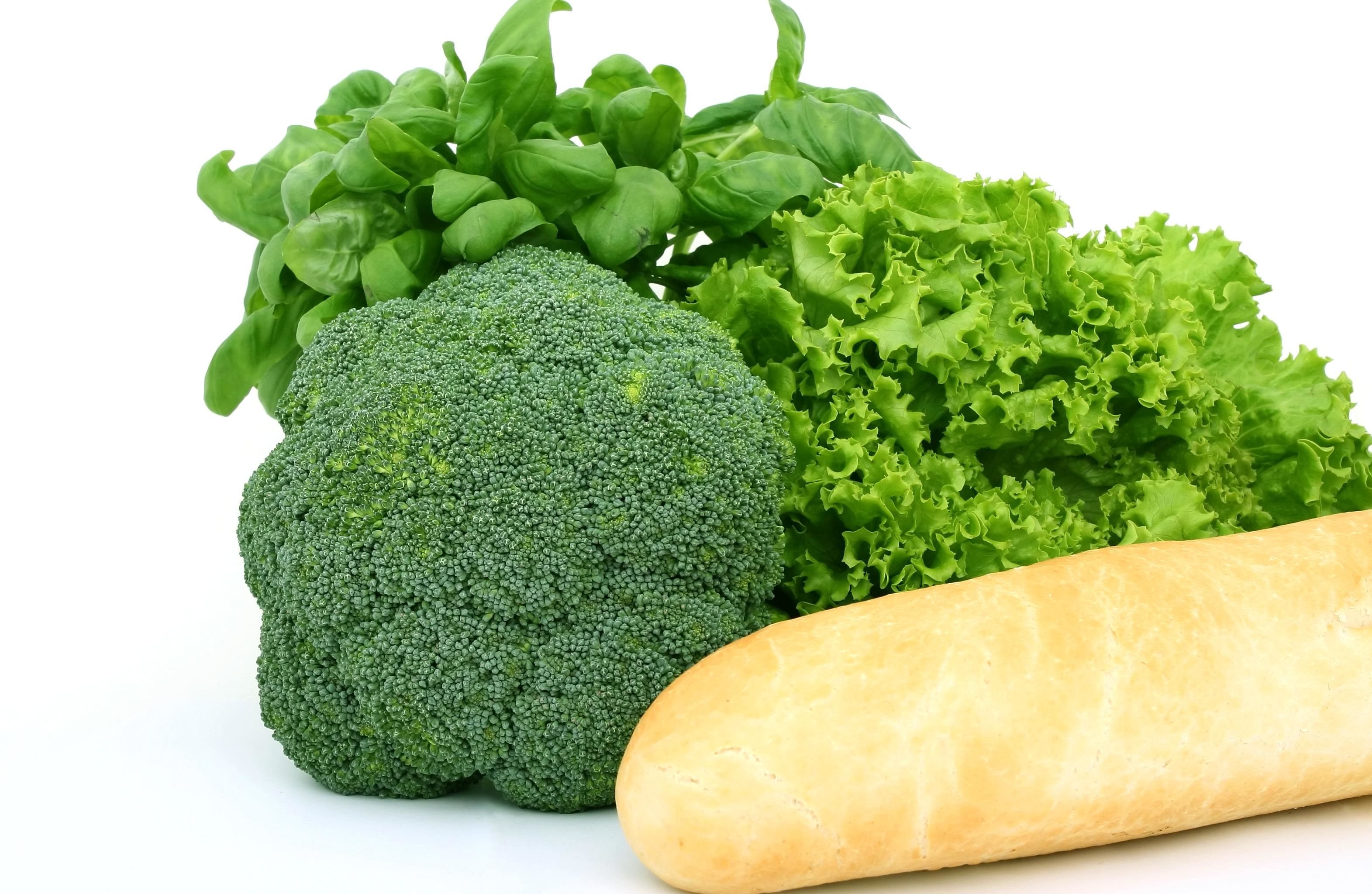
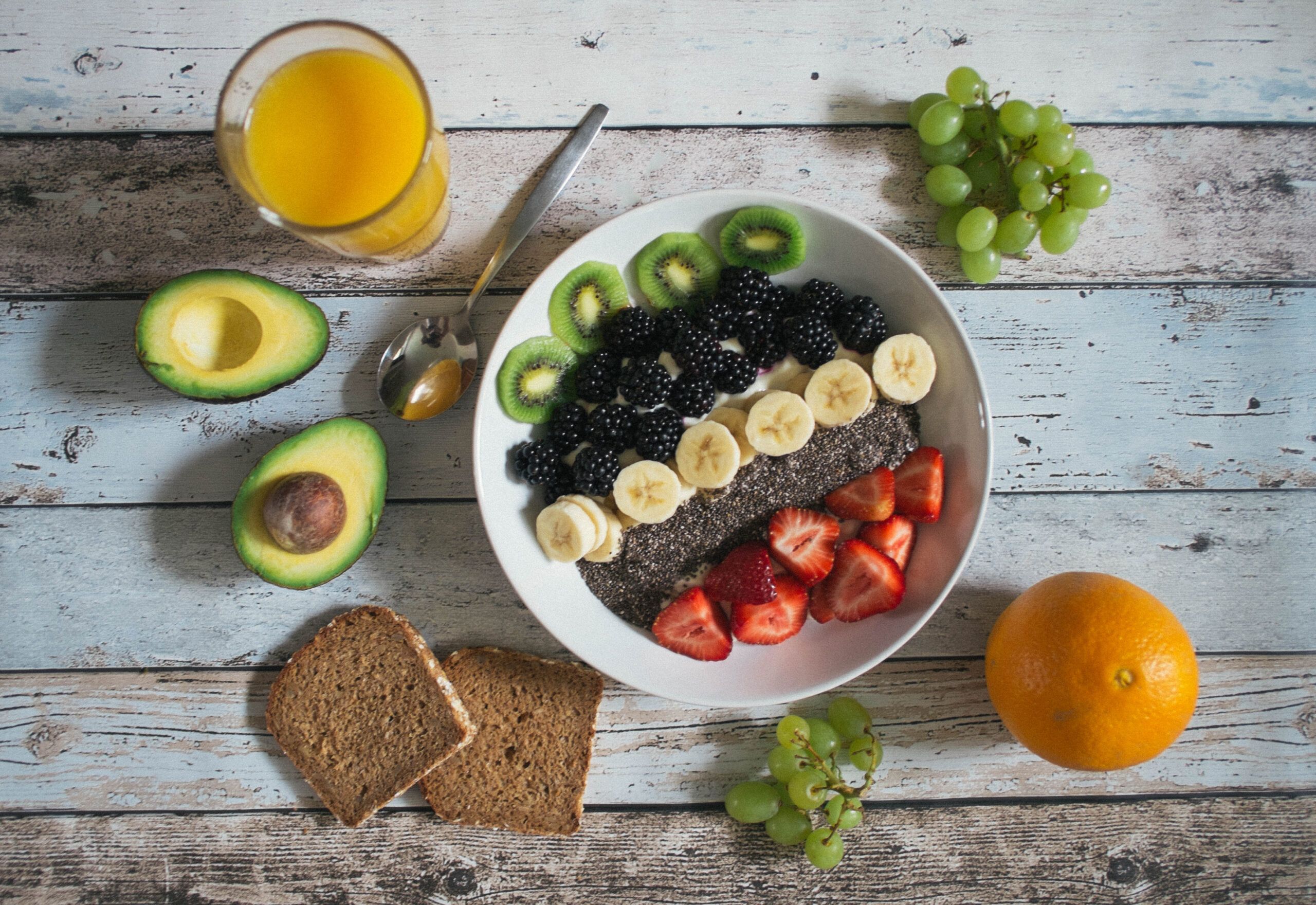
Pass the kale, it's time for a harsh reality check on your love for low-carb diets. In the weight loss world, it's a popular belief that going low-carb is a direct ticket to a leaner waistline and happier heart. But darling, it seems the steak ain't that lean. Cutting carbs, at least the highly processed, glow-in-the-dark kind, might help you lose weight, but watch your back on what you chow down as a substitute. Noshing on healthy carbs like fruits and vegetables are good news, but when replaced with high-fat foods, you may be signing up for a heart disease premium pass.
Science nerds put their heads together on this one, leaving no stone unturned. They studied over 170 trials from 27 countries involving more than 11,000 overweight adults to figure out the impact of different types of carb-restricted diets on weight and heart disease risk factors.
The results were a mixed bag. On one hand, the number freaks found that low-carb diets did lower weight, BMI, waist size, and fat mass. Cheers to a slimmer waist and less jiggly belly fat, right? Not so fast. These diets also pushed up the LDL “bad” cholesterol and led to loss of muscle mass. As for the sacred Keto diet, it made the blood biochemistry go wild with a significant increase in LDL cholesterol.
Heart-damaging culprits like butter, cheese, and fatty meats found on a low-carb spread can be blamed for the cholesterol spike, explains Elisabetta Politi, a certified diabetes care and education specialist who was not involved in the study. Although, she added that other heart-health benefits could put low-carb diets in a favorable light, that is, if followed sensibly and sparing on saturated fats.
Apparently, women and people with type 2 diabetes gained the most from low-carb diets. LDL or total cholesterol did not increase in these groups, and they showed the greatest improvements in weight and waist size. However, folks with a higher BMI still saw their LDL rise.
There are potential drawbacks too. The fun part, low-carb diets could lead to nutritional deficiencies, gut microbiota changes, gastrointestinal disturbances, and in some instances, affect bone health as well.
Christopher Gardner, a researcher and professor at Stanford Health, warns that the study didn’t consider the quality of food while working out these results. So, the study can’t be truly representative of the best kind of carb-cutting diet for heart health. So be sensible, remember that avocado and bacon are both low carb, but you know which one your heart prefers. Cut out the carbs if you must, but not at the risk of your well-being. It's better to stay consistent with a diet you can stick to, rather than one that won't last – no matter how promising the results look initially.