The Bloody Truth: Unveiling the Mysteries of Blood Thinners
- Jun 18, 2026
Blood thinners, those miraculous little pills, keep us safe from the silent predators- blood clots- lurking in our veins. But as with most things in life, there's fine print: they open the floodgates to our own personal red river if we're not careful. A confusing catch 22, but despair not, let's decode this hemoglobin hoedown.
Picture blood thinners as party poopers, invading the red blood cells, platelets, and proteins' shindig inside our bodies. These bash crashers are crucial, though. Without them, a little paper cut could morph into the next Great Flood. But when these platelets bond like a bunch of clingy exes, we get “thrombus”- a fancy, science-y term for blood clot. ‘Embolus,’ another sexy term making the rounds in health circles, is just a wandering clot. Show them the door, and they could turn up anywhere, even in our lungs, rebranding themselves "pulmonary embolism."
Blood clots are like a step-by-step DIY project. Start with a damaged tissue trigger, chuck in some protein activation, and voila, fibrin's born. These fibrin tykes halt the bleeding but muck up the works when they overstay their welcome. Queue our blood thinners, hardcore party police that show up to give clots the boot.
Plugging in a bit more science because, what the heck, right? Red clots- (checks notes) yes, they really are called that- are fibrin and red blood cell jamborees, usually having a grand time in your veins. White clots; however, are all about platelets, chilling in arteries like our hearts.
Still with me? Splendid. Now onto the meddling part. Blood thinners take names, target systems, and basically have a go at the molecules that help clots bloom. Some of these anticoagulation troublemakers bind to proteins, blocking parts that take part in the clot-making do. Others tackle platelet activation, resulting in a spectrum of medications, both orally ingested and injected.
Layers in this blood thinner onion include anticoagulant medications dealing with coagulation, ideal for tackling red clots like deep vein thrombosis. They also prevent strokes in folks with atrial fibrillation or those sporting snazzy mechanical heart valves.
And because we're all about margins here, let's not forget antiplatelets. These babies target platelet activation and aggregation, lending a hand-or pill-to prevent or treat strokes and heart attacks.
However, like most party poopers, they've got a vibe. The most perverse game of all? Bleeding. A teeny cut or a small nick might turn into a stubborn, refuse-to-stop bleeding spot. And if your luck's out, serious bleeds can occur, say hello to a bout of gastrointestinal tract or brain bleeding- nothing short of life-threatening.
Now, before you reach for the off-brand “blood thinners”- herbal supplements, remember, these aren't FDA-regulated. They're like the ambiguous ingredients in a potluck dish. Always have a chat with your healthcare provider before venturing into these unofficial blood-thinning territories.
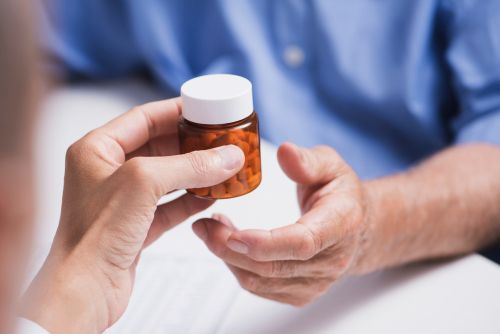
Finally, just like an unwanted guest, blood thinners stick around for a while. Some like Warfarin, aspirin, and Plavix can linger for days. Others, such as Eliquis (apixaban) and Xarelto (rivaroxaban), exit the scene within a day. Stay tuned for the next riveting rendition on the blood thinner time-table: a lifelong commitment for heart attack and stroke survivors, and maybe a three-month stint for those fighting deep vein thrombosis.