Start Your Day with a Dose of Sunshine: Understanding Vitamin D
- Dec 4, 2025
Vitamin D, that sunshine-in-a-capsule vitamin, may be best consumed in the morning due to its tendency to throw a wrench in your melatonin production if taken in the evening. So, unless your aim is to interrupt your sweet dreams, go for that morning dose. Most adults are recommended a daily dose of 600 IU to 800 IU unless your body petitions for something different - we are all wonderfully unique after all.
Think of vitamin D and melatonin as the Tom and Jerry of your body’s internal workings. Melatonin plays the role of the friendly hormone, ushering you toward dreamland, while Vitamin D waltzes in and says, "Not so fast". Sun exposure, that magical Vitamin D supercharger, plays a hand in regulating your melatonin production, leaving a balancing act between daytime alertness and nighttime slumber.
Speaking of daytime alertness and nighttime slumber - your body’s circadian rhythm plays a key role in regulating your vitamin D levels. You know, that biological alarm clock that has you up at 7 a.m. whether you like it or not? Yeah, that's it. Studies confirm that Vitamin D levels ebb and flow with the time of the day and sun exposure.
Vitamin D doesn’t stop there; it also footprints your sleep quality and duration. Absorbed into your body within 24 hours, peak levels occur 7 to 14 days after supplementation. Further research is in progress to understand the link between vitamin D, your circadian rhythm, and the best time for supplementation.
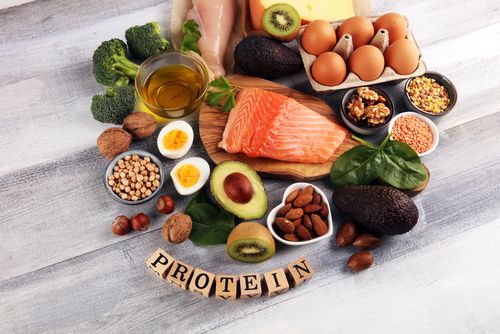
To avoid the villainous Vitamin D toxicity, understand your tolerable upper limit (UL), and account for your food, sunlight exposure, and supplements like multivitamins when tallying your Vitamin D intake. Some foods offer you a natural helping of this sunshine vitamin, while others pitch in with added reinforcements to boost the nutritional content.
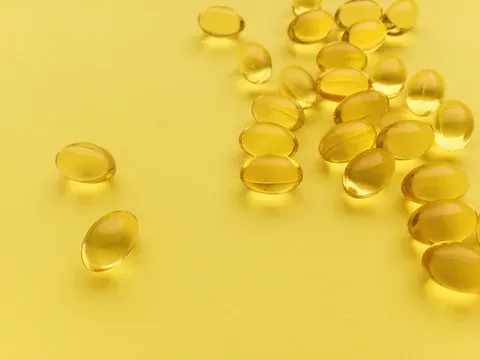
Should your current vitamin D levels fall short, supplements varying in dosage may come to the rescue. Though, it's best to steer clear of anything over 4,000 IU per day unless your healthcare provider gives you the green light.
Vitamin D supplements come in two forms: ergocalciferol (vitamin D2) and cholecalciferol (vitamin D3) – the latter showing promise in maintaining nutrient levels during the colder months. If residing in the northern hemisphere, consider having your vitamin D levels checked and possibly supplementing from October through March.
But remember, the best source of vitamin D is still good old sunlight. However, like all things in life, balance is key. While sun rays can kickstart vitamin D3 in your skin, they can also lead to skin damage.
Certain populations are more prone to vitamin D deficiency, so understanding these risks can shape your dietary choices and reveal whether supplementation may be necessary for your overall health. Always consult your healthcare provider, dietician, or pharmacist before starting any supplement regimen. Remember, supplements aren't miraculous panaceas designed to treat or prevent disease.