Park Your Parkinson with Power Vitamins
- Jun 2, 2026
You don't need to leap on the next trendy health fad, mate. Instead, just turn up the volume on your vitamin intake. A healthy dose of vitamins C, E, B12, and D might just help you manage Parkinson's disease symptoms like a boss. But hold on, there's more to this sound advice.
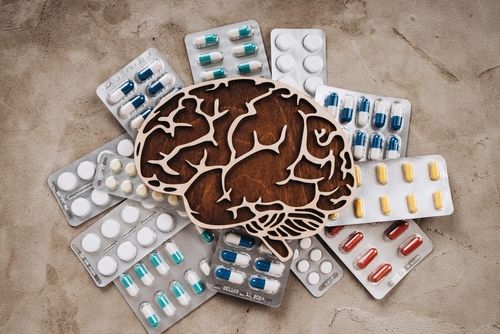
Alongside your prescribed medications, your friendly neighborhood doctor might nudge you towards certain vitamins with antioxidant properties. Though ideally you should suck these vitamins from foods, some of us might need a stronger push in the form of supplements. But beware: not every supplement brand is your friend, so better do your homework. These seemingly harmless vitamins can pack a punch if overdosed.
Vitamin B12 is an antioxidant all-star supporting both red blood cells and nerve cells, while moonlighting in DNA production. Staples like red meat, chicken, eggs, fortified cereals, and cool vegan options like nutritional yeast all serve it up. Interesting to note, some folks with early-onset Parkinson's often show lower B12 tank levels, which can mess with motor and cognitive functions. But, fear not, a capable multivitamin containing B12 can act as a buffer.
Folate, AKA vitamin B9, gets cozy in organs like the liver and kidney, yeast, and green veggies. Along with B12, it helps kick homocysteine, an amino acid linked to cognitive disorders, to the curb. Studies reveal that those on levodopa (a key Parkinson's medication) often have elevated homocysteine levels. Connections between cognitive abilities, homocysteine, folate, and B12 have been evidenced in Parkinson's research.
Vitamin C is plentiful in fruits, veggies, and animal livers, while Vitamin E goofs around in vegetable oils, nuts, bell peppers, and avocados. An astounding Swedish study spanning 18 years observed a 32% reduced risk of Parkinson's among the health nuts with high Vitamin C or E intake.
Not to left behind, Vitamin D shows up when our skin high-fives the sun's ultraviolet rays, and flaunts itself modestly in certain foods. Research linking higher Vitamin D levels to a 65% lower risk of developing Parkinson's shouldn't be tossed aside lightly.
Despite this juicy info, remember, while some vitamins might help manage symptoms, they surely won't prevent Parkinson's. As always, before you join the supplement club, discuss your health conditions, potential allergies, and current medications with your doc. Because sometimes, too much of a good thing might end up being not so good after all.