Out with Fish Oil, In with Krill Oil: The Not-So-Miraculous Miracle Pill
- Jan 30, 2026
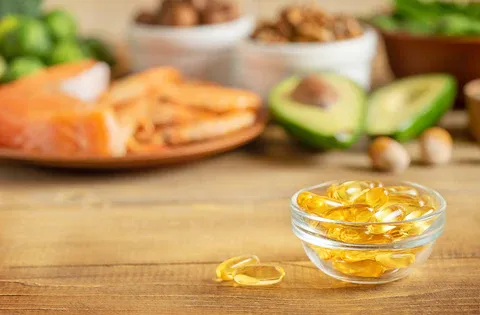
It's the latest trendy little munchie on the health block – krill oil. A seafood sensation retrieved from miniature, shrimp-esque crustaceans that feed the unruly Antarctic wildlife. Like its boring, overachieving cousin, fish oil, krill oil boasts an impressive portfolio of omega-3 fatty acids (EPA & DHA), known to be faithful allies in the battle against inflammation and heart-disease.
However, hold your horses before you declare this a war-won. Research indicates that krill oil isn't exactly the valiant heart-health hero it's hyped to be. A meta-analysis from 2023 gave krill oil's resume a solid look-over, only to realize it doesn't affect blood pressure or risk factors for heart disease at all.
Sure, krill oil tries to win you over with its antioxidant charm, thanks to the red-hued astaxanthin. This antioxidant, found in salmon, shrimp, and algae, is known to support eye health, combat inflammation, and perhaps even reduce dry eye symptoms better than fish oil, according to a 2017 study. Dating back even further, a 2003 study suggested that krill oil may even help manage PMS symptoms better than fish oil, due to its anti-inflammatory savoir-faire.
Are you sold yet? Wait till you hear about krill oil's pricing – it's three to four times more expensive than its cousin, and its harvesting costs involve traversing one of the world's most dangerous ocean crossings. Talk about high maintenance!
And although Omega-3s from fish oil and krill oil may increase your street cred, they're not without a downside – increased bleeding risk, especially when paired with blood-thinning meds. Plus, krill oil may throw in some unwanted extras like bloating, nausea, diarrhea, gas, and heartburn.
Krill oil is usually tossed aside by those with shellfish allergies, simply because it doesn't play well. Most diet experts and health bodies advocate that instead of relying on supplements, introducing a varied selection of Omega-3-rich foods in your diet is a smarter plan.
You can find Omega-3s lounging in other seafood, nuts, and seeds like seaweed, walnuts, flaxseeds, and chia seeds. As Sue-Ellen Anderson-Haynes, Boston’s MS, RDN, CDCES, says, "A food-first approach is best." Noted, Sue-Ellen. Now, let us eat food-not buzzwords.